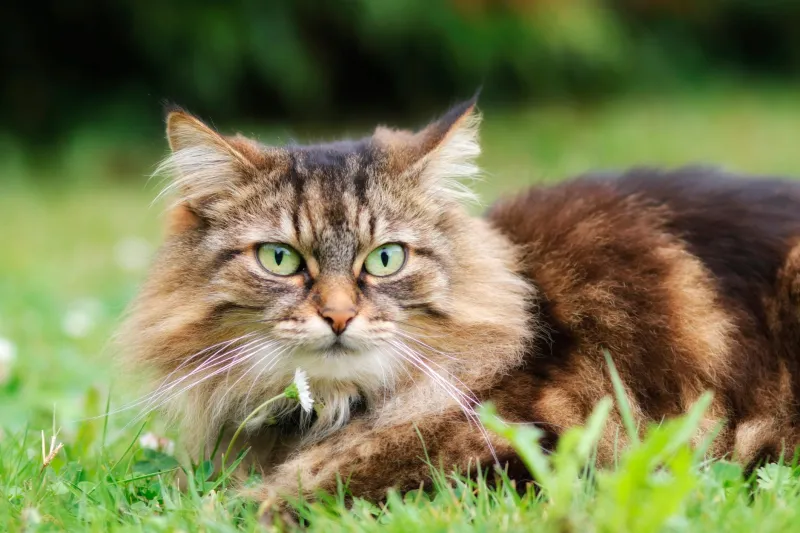
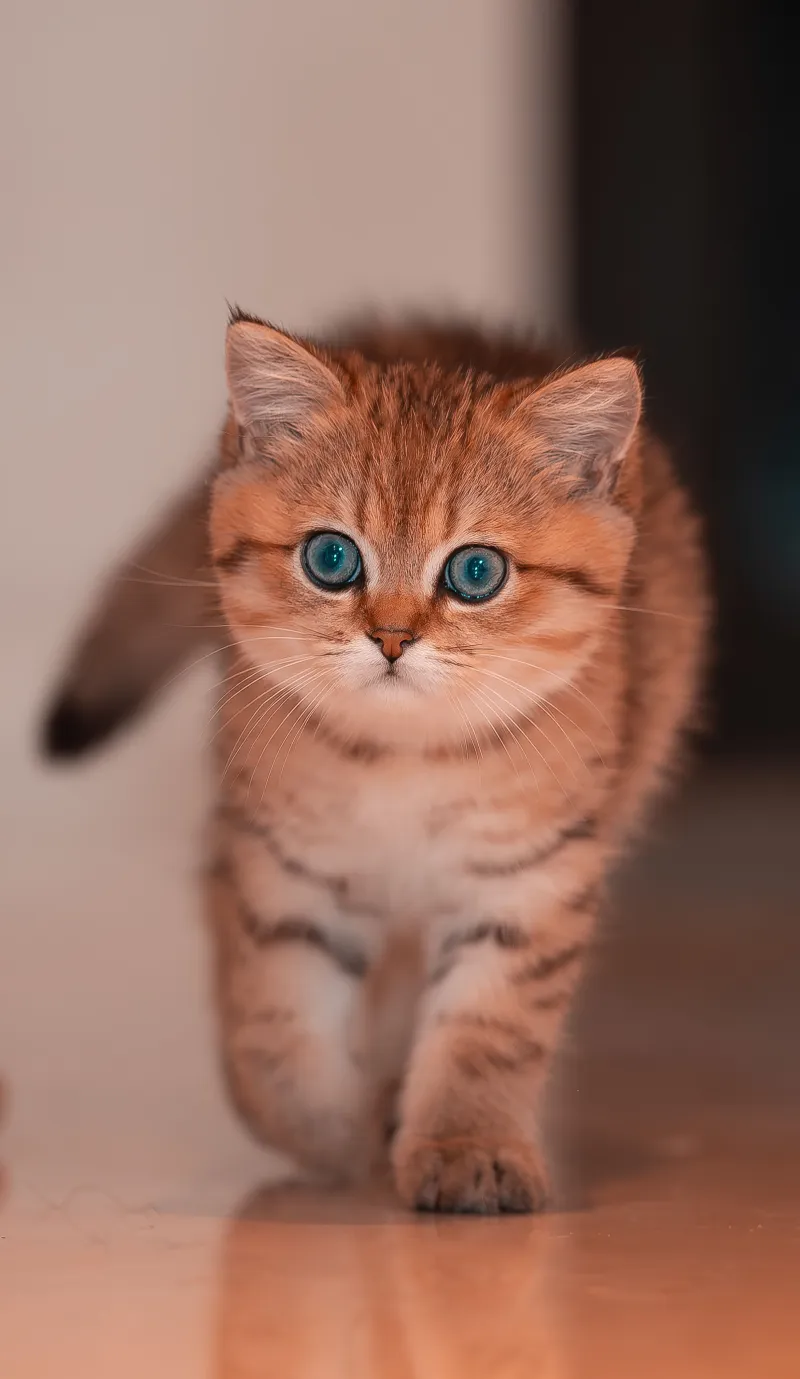
Your Cat Still Thinks It's a God and Honestly, Can You Blame It?

Photo: regal cat sitting on fancy cushion looking majestic indoors, via cdn.dealeraccelerate.com
Let's get one thing straight before we go any further: your cat is not being unreasonable. When it sits directly in front of your laptop screen during a Zoom call, stares at you unblinking until you refill the food bowl that is, technically, still 30% full, or knocks your water glass off the counter while making direct eye contact — that's not bad behavior. That's institutional memory.
For roughly 10,000 years, humanity treated cats like divine beings. And then, somewhere along the way, we had the spectacular audacity to act like they were just... pets. Your cat has not received the memo. Your cat will never receive the memo. Here's the full historical context for why you live in service to a seven-pound tyrant who occasionally condescends to sit on your lap.
In the Beginning, There Was Egypt (And It Was Very, Very Good for Cats)
The relationship between cats and ancient Egyptians is the origin story your cat still draws on emotionally to this day. Around 3,000 BCE, the Egyptians elevated the domestic cat to a status that most humans throughout history have never come close to achieving. Cats were associated with Bastet, the goddess of home, fertility, and protection — a deity depicted with the head of a cat and the general energy of someone who is absolutely not to be trifled with.
Egyptian households kept cats not just as pest controllers (though they were excellent at that, and they knew it), but as sacred protectors. Wealthy families adorned their cats with gold earrings and jeweled collars. When a household cat died, family members shaved off their eyebrows as a sign of mourning. Eyebrows. Gone. Because the cat died.
Killing a cat in ancient Egypt, even accidentally, was punishable by death. Let that sink in while you think about the time you accidentally stepped on your cat's tail and it acted like you'd personally wronged every ancestor it ever had.
The city of Bubastis was essentially a full-scale monument to cat reverence, complete with a grand temple to Bastet where thousands of mummified cats were offered as sacred tributes. Archaeological digs have unearthed hundreds of thousands of cat mummies. Hundreds of thousands. Your cat comes from a lineage that had its own dedicated mummy industry. It has earned the right to be a little smug about the food situation.
From Sacred to Secular: The Long, Indignant Slide
Here's where the timeline gets uncomfortable for cats. After a few thousand years of unambiguous divinity, the cultural status of cats began a slow, deeply unwelcome decline. Medieval Europe was particularly rough — cats became associated with superstition, bad luck, and general misfortune in ways that were both wildly unfair and historically embarrassing for humanity.
But cats, being cats, survived. They always survive. They continued doing what they'd always done — keeping rodent populations in check, showing up where food was plentiful, maintaining their dignity under circumstances that did not merit it. By the time the Renaissance rolled around, cats were back in European courts and artists' studios, draping themselves across expensive furniture and demanding attention from people with more important things to do. Basically unchanged.
The American relationship with cats followed a familiar arc. Early colonial settlers valued cats for the same practical pest-control reasons the Egyptians initially did. But by the 19th century, cats were firmly established as companion animals in American households, appearing in portraits, literature, and the laps of everyone from Mark Twain (a famously devoted cat person who once wrote that "a home without a cat is just a house") to Abraham Lincoln, who kept several cats in the White House and, by multiple historical accounts, let them eat at the dinner table.
Lincoln let his cats eat at the dinner table. The precedent was set at the highest level of American governance. Your cat is simply honoring tradition.
The Entitlement Behavior, Decoded Through History
Once you understand the historical record, your cat's daily demands start looking less like personality flaws and more like deeply held institutional convictions.
The slow blink — that languid, half-lidded look your cat gives you when you've done something acceptable — is not affection. It is approval. There's a difference, and your cat knows it.
The way your cat walks into a room and immediately assesses every surface for the highest, most advantageous vantage point? That's territorial surveying behavior that has been culturally reinforced for millennia. In Egyptian households, cats were given elevated platforms. In medieval European courts, cats slept on cushioned chairs. Your cat climbing to the top of the refrigerator is not weird. It's ancestral.
The food bowl situation — the one where the bowl is technically not empty but your cat is staging what can only be described as a hunger strike — reflects a creature that was once hand-fed delicacies in temple settings. The bottom of the bowl being visible is not a negotiable condition. It never was. Bastet would not have stood for it.
And the knocking things off tables? Historians don't have a clean explanation for this one. Scientists suggest it may be a form of prey-testing behavior. But honestly, after 10,000 years of unchecked authority, some of it is probably just because they can.
The God Is Still In There
What makes cats genuinely extraordinary — historically and scientifically — is that they are one of the only domesticated animals that chose to live with humans rather than being fully bred into domestication. Dogs were shaped over thousands of years of selective breeding for human companionship. Cats essentially showed up, decided the arrangement was mutually acceptable, and have been renegotiating the terms ever since.
They haven't changed that much, genetically or behaviorally, from their wild ancestors. They kept their independence. They kept their instincts. And somewhere in the behavioral firmware, they kept the memory of being worshipped.
So the next time your cat sits down directly in front of your TV during the fourth quarter of a playoff game, stares at you with the ancient, unblinking confidence of a deity who has decided your attention belongs to it now — just remember.
For thousands of years, humans built temples for this. You're getting off easy.