The Rumble Report: Decoding Every Purr Your Cat Has Ever Made
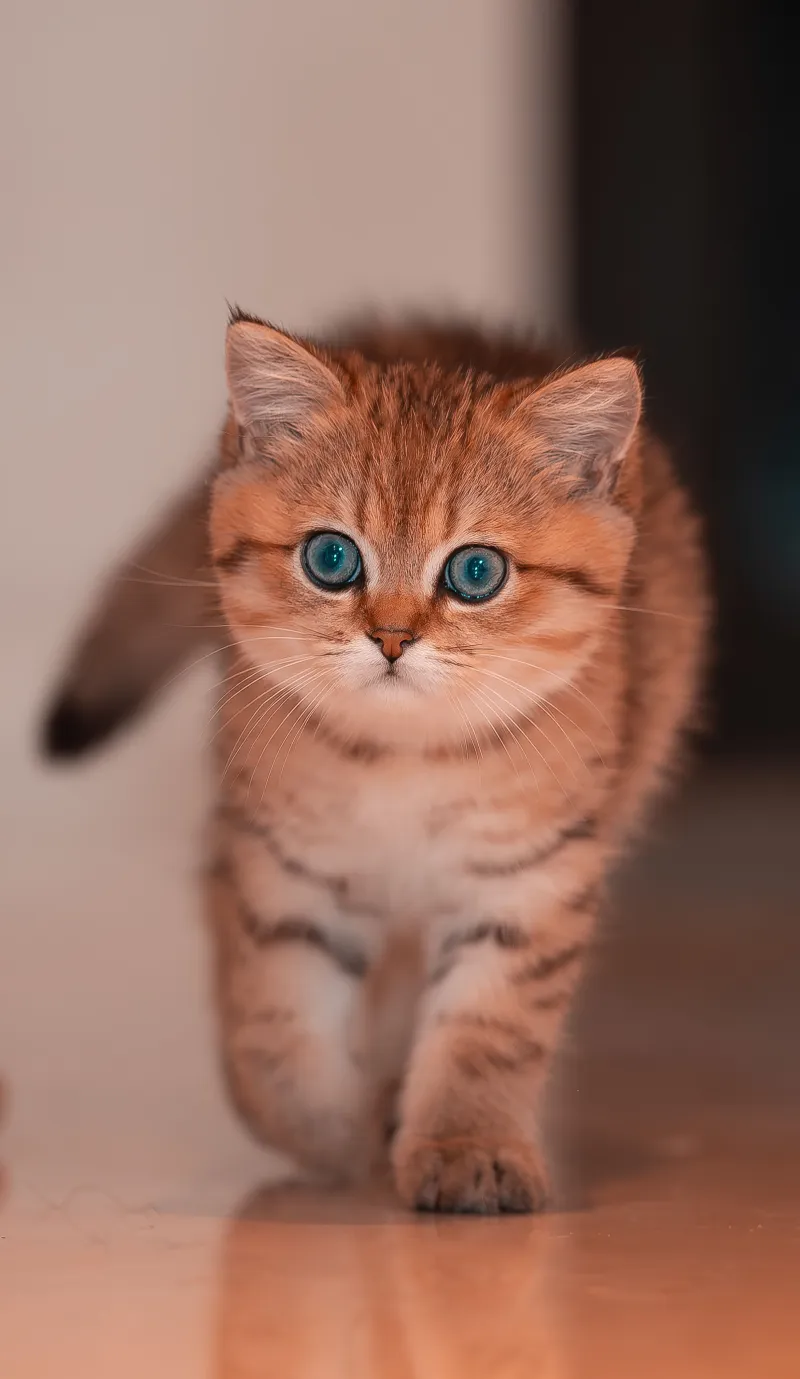
Photo: cat purring close up relaxed happy domestic cat, via images.pexels.com
If you've ever sat on a couch with a purring cat draped across your lap and thought, I have no idea what's happening inside this creature right now — you're in good company. Scientists, veterinarians, and feline behaviorists have been trying to fully decode the purr for decades, and while we've made significant progress, the humble purr remains one of the more delightfully mysterious things in the animal kingdom.
What we do know is remarkable enough: cats purr at frequencies that may promote bone healing, they use purring to manipulate humans with almost embarrassing effectiveness, and the sound that signals contentment is sometimes the same one that signals pain. Your cat's purr is basically a Swiss Army knife of communication — and most of us have been interpreting it as just the one blade.
Let's fix that.
How Purring Actually Works (It's Weirder Than You Think)
First, a quick mechanics lesson, because the how of purring is genuinely strange.
Cats purr using their laryngeal muscles — the muscles in the voice box — which rapidly dilate and constrict the glottis (the part of the larynx that surrounds the vocal cords) at a rate of about 25 to 150 times per second. As the cat breathes in and out, air turbulence across this rapidly moving glottis creates that signature rumbling sound. Unlike most vocalizations, purring happens continuously during both inhalation and exhalation, which is why it sounds like a smooth, unbroken motor rather than a series of individual sounds.
Here's the kicker: not all cats can purr. The ability to purr is generally limited to smaller wild cats and domestic cats. Big cats — lions, tigers, leopards — can roar, but they can't sustain a true purr. It's essentially a trade-off. You get to roar and terrify entire ecosystems, or you get to purr and make humans feel like their lap is the coziest place on earth. Domestic cats chose wisely.
The Frequency Factor: Purring as Medicine?
Here's where things get genuinely sci-fi. Domestic cats typically purr at frequencies between 25 and 50 Hz, with some cats producing vibrations up to 150 Hz depending on context. Why does that matter? Because research in vibrational medicine has shown that frequencies in the 25–50 Hz range are associated with improved bone density and accelerated healing of fractures in humans.
In other words, your cat may be running a low-key physical therapy session every time they curl up on you.
Studies have suggested that the vibrational frequency of a cat's purr could promote bone growth and repair, reduce swelling, ease breathing difficulties, and even lower blood pressure. This might explain something that puzzles veterinarians: cats tend to recover from bone injuries and surgeries more efficiently than dogs of comparable size. The working theory is that all that purring — which cats do during rest and recovery — acts as a kind of internal low-impact exercise for their skeletal system.
For humans, the benefits appear to be real too, if indirect. Multiple studies have found that cat owners have lower rates of cardiovascular disease and that the act of listening to a purring cat measurably reduces stress hormones. Your cat isn't just cute — they may be quietly extending your lifespan. They will accept no thanks.
What Each Type of Purr Actually Means
Not all purrs are created equal, and learning to distinguish between them is genuinely useful. Here's your field guide:
The Contentment Purr
This is the classic. Your cat is warm, safe, and comfortable. The purr is low, steady, and rhythmic — like a tiny diesel engine idling in your lap. This is the purr that gets used in relaxation playlists and sleep aid apps. If your cat is kneading while producing this sound, they have achieved maximum cat happiness and you should feel extremely honored.
The Solicitation Purr
This one deserves its own TED Talk. Researchers at the University of Sussex in England identified a specific type of purr cats use when they want something — typically food. Embedded within the normal purr frequency is a higher-pitched cry component, hovering around 300–600 Hz, that closely mimics the frequency of a human infant's cry. This is not a coincidence. Cats appear to have evolved — or learned — to exploit the human instinct to respond to baby sounds.
The solicitation purr is subtly more urgent, slightly more grating, and significantly harder to ignore. If you've ever felt weirdly compelled to get up and feed your cat even though you just fed them, you've been on the receiving end of this acoustic manipulation. It works on almost everyone. Cats know it works. They use it without remorse.
The Pain or Distress Purr
This is the one most cat owners don't know about, and it matters. Cats sometimes purr when they're injured, ill, frightened, or in labor. The current thinking is that purring in these contexts may be self-soothing — the vibrational frequency that promotes healing may also provide some pain relief — but it also means that a purring cat is not automatically a happy cat.
Vets have reported cats purring on examination tables during painful procedures, during difficult deliveries, and in the final stages of serious illness. This is why context matters enormously. A cat purring while stretched out in a sunny window is probably delighted. A cat purring while hiding under the bed and refusing food is telling you something very different, and deserves a vet visit.
The Anxiety Purr
Similar to the distress purr but typically lower-stakes, the anxiety purr shows up at the vet's office, during car rides, or when there's a new pet or person in the home. It's faster and sometimes more irregular than a contentment purr. Watch your cat's body language alongside the sound — a cat purring with flattened ears, a tucked tail, and wide eyes is not having a good time, regardless of the noise they're making.
Purring Myths, Busted
Myth: A purring cat is always happy. As covered above — nope. Purring is a communication tool with multiple meanings. Read the whole cat, not just the soundtrack.
Myth: Cats purr on purpose, as a conscious choice. This one's more nuanced. The laryngeal muscle movements that produce purring appear to be semi-voluntary — cats can initiate and sustain purring, but the mechanism itself is somewhat automatic once triggered. Think of it like breathing: you can control it, but it also just happens.
Myth: Only domestic cats purr. Actually, several wild cat species purr, including cheetahs, bobcats, mountain lions (pumas), and various smaller wild cats. What domestic cats share with these species — and not with big roaring cats — is a specific bone structure in the hyoid that allows continuous purring.
Myth: Louder purring means a happier cat. Volume varies enormously between individual cats. Some cats purr so softly you can only feel it by placing a hand on their side. Others sound like a small motorcycle. Neither is more or less content than the other — it's just anatomy and personality.
How to Listen Better
Becoming a better purr-interpreter doesn't require a degree in animal behavior. It just requires paying attention to the whole picture: your cat's posture, ear position, tail movement, eye state (slow blinking = relaxed; wide and fixed = stressed), and the context of the moment.
A purring cat who approaches you, rubs against your leg, and settles into your lap? Classic contentment. A purring cat who's been hiding all day, isn't eating, and seems reluctant to move? Time to call the vet.
The purr is your cat's most constant form of communication, and once you start really listening — not just enjoying the white noise — you'll find it tells you a surprising amount about what's going on inside that small, complicated, magnificent creature sharing your home.
And if you're ever having a rough day, go ahead and sit with a purring cat for twenty minutes. The science suggests it might actually help. Your cat, of course, will pretend this was entirely for their own benefit.
That's just how they operate.