Locked In or Let Loose? What the Research Actually Says About Indoor vs. Outdoor Cats
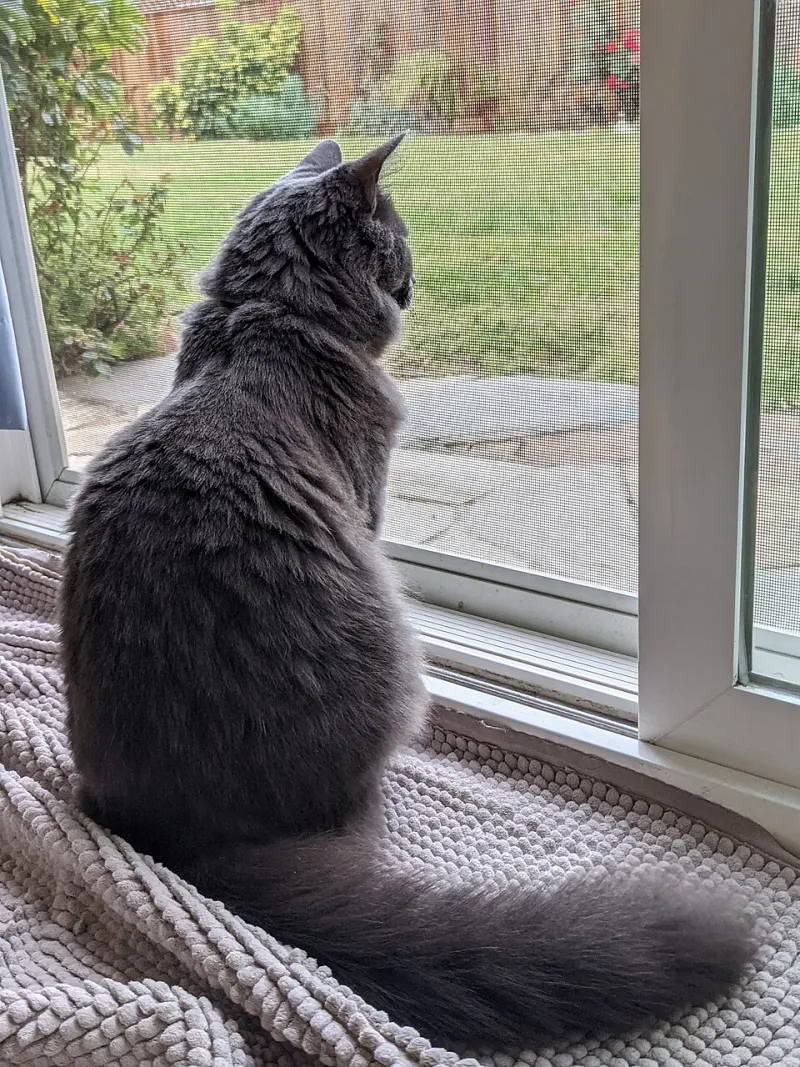
Photo: Mds08011, CC BY 4.0, via Wikimedia Commons
Every cat owner eventually faces the great existential question: should Mr. Fluffington roam the neighborhood like a tiny lion, or stay safely inside judging your furniture choices? It's a debate that can get surprisingly heated at the dog park — yes, cat people go to dog parks too, mostly to feel superior — and strong opinions exist on both sides. Fortunately, science has been quietly gathering data on this very subject, and the findings are equal parts reassuring and humbling.
Spoiler: your cat probably has preferences. And they are absolutely not shy about expressing them.
The Longevity Gap Is Real (and Kind of Alarming)
Let's start with the number that tends to end arguments fast. According to veterinary research, the average indoor-only cat lives somewhere between 12 and 18 years. Their outdoor counterparts? Studies suggest the average drops to somewhere between 2 and 5 years, though some estimates put the median closer to 5 to 7 years depending on region and environment.
That's not a rounding error. That's a fundamentally different life expectancy.
The culprits behind this gap aren't mysterious. Outdoor cats face a greatest-hits lineup of hazards: cars (the number one killer), predators like coyotes and dogs, infectious diseases, parasites, poisonous plants, antifreeze puddles in driveways, and the occasional territorial dispute with another cat who absolutely did not read the memo about sharing. In urban and suburban America, traffic alone accounts for a staggering percentage of cat fatalities. Your neighborhood might look peaceful, but to a cat-sized creature, it's basically a gauntlet.
And yet — and this is the part the indoor-only camp sometimes glosses over — purely indoor cats face their own set of challenges.
The Case for Fresh Air (From a Cat's Perspective)
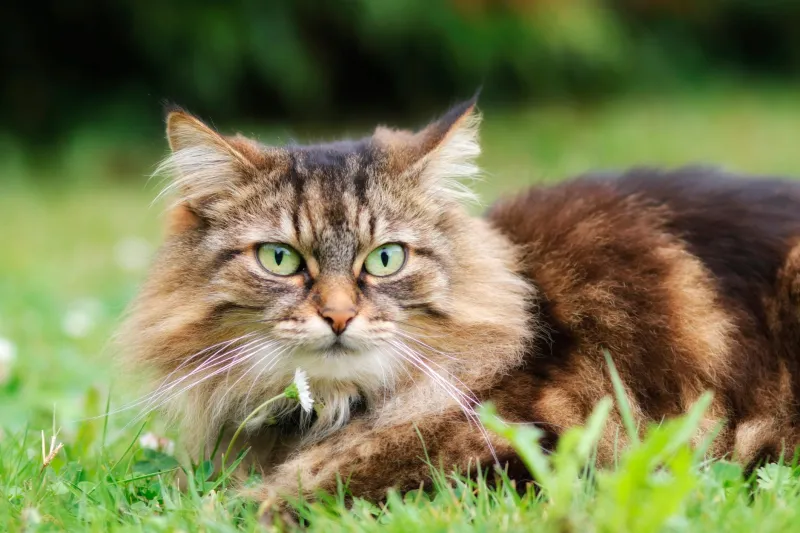
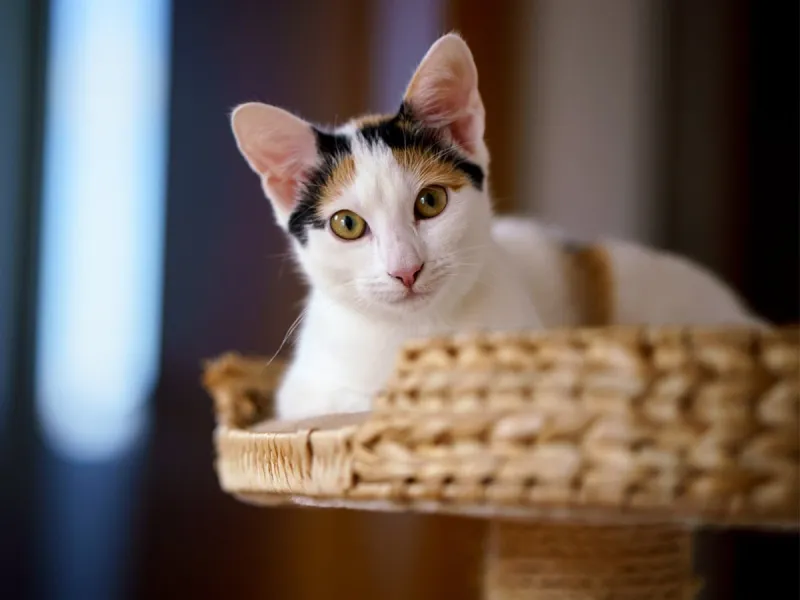
Cats are not small dogs. They are not particularly interested in fetching a ball across your living room to satisfy their exercise quota. They are obligate hunters with brains wired for stalking, pouncing, territory-mapping, and sensory stimulation that a 900-square-foot apartment simply cannot replicate at scale.
Behavioral research consistently shows that indoor-only cats are at higher risk for obesity, anxiety, boredom-related destructive behavior, and stress-induced health issues. A 2020 study published in the journal PLOS ONE found that cats with outdoor access displayed significantly lower stress indicators and more complex behavioral repertoires than their fully indoor counterparts. Translation: outdoor cats are, on average, mentally busier and emotionally calmer — even if they're also dodging cars.
Outdoor enrichment offers things you simply cannot replicate with a feather wand: unpredictable prey movements, genuine territorial exploration, varied terrain, natural sunlight, and the kind of ambient sensory input (sounds, smells, textures) that a cat's nervous system was literally designed to process. When a cat sits in a window watching birds, that's not relaxation — that's barely-contained frustration. The window is the screen, and they want to be in the game.
The Environmental Wrinkle Nobody Likes Talking About
Here's where things get a little uncomfortable for the outdoor-access advocates. American cats — and there are an estimated 90 million pet cats in the U.S. — kill between 1.3 and 4 billion birds annually, according to a widely cited 2013 study from the Smithsonian Conservation Biology Institute. That number also includes somewhere between 6 and 22 billion small mammals per year.
Those are genuinely staggering figures, and wildlife conservationists are not wrong to flag them. Domestic cats are an invasive predator in essentially every ecosystem outside of their original North African and Middle Eastern habitat. Your sweet tabby, Biscuit, is an ecological disruptor on legs. This doesn't make Biscuit a bad person. It does make unrestricted outdoor roaming a legitimate environmental concern, not just a personal choice.
The Middle Ground That Actually Works: Enter the Catio
If the choice feels like a lose-lose — sacrifice your cat's quality of life or sacrifice their quantity of life and a few songbirds along the way — there's increasingly popular third option that deserves serious attention: the catio.
For the uninitiated, a catio is an enclosed outdoor enclosure designed specifically for cats. Think screened porch meets jungle gym meets tiny wildlife documentary set. They range from window-box sized attachments that cost under $200 to elaborate backyard structures with tunnels, climbing shelves, and weather protection that rival some studio apartments in square footage (and, let's be honest, probably in price too).
Catios give cats genuine outdoor access — real air, real sounds, real smells, actual sunlight — while eliminating the threat of cars, predators, and the neighborhood's less friendly dogs. They also solve the bird-killing problem entirely, since a cat inside a mesh enclosure is about as much of a threat to local wildlife as a cat watching Animal Planet.
Leash training is another underrated option. Yes, cats can be leash trained. No, it doesn't look like walking a dog. It looks more like being slowly led by a small, distracted philosopher who stops to investigate every pebble. But supervised outdoor time on a harness gives indoor cats genuine environmental stimulation without the mortality risk.
So What Should You Actually Do?
Here's the honest answer: it depends on where you live, what your cat's personality looks like, and how much time you can invest in enrichment.
If you live in a dense urban area with heavy traffic, keeping your cat indoors and investing heavily in environmental enrichment — multiple climbing structures, puzzle feeders, regular interactive play sessions, window perches with bird feeders outside — is genuinely the responsible call. The risk-to-reward ratio outdoors in a city is brutal.
If you live in a rural or low-traffic suburban area with manageable predator pressure, supervised outdoor time, a catio, or even some degree of free roaming might be a reasonable quality-of-life investment, with eyes open to the risks involved.
What the research does not support is the idea that either extreme — "cats must always be outside" or "cats must never touch the outside air" — is universally correct. Cats are individuals. Their needs, stress responses, and risk tolerances vary. The goal isn't ideological purity. It's a long, enriched, happy life for the specific animal currently sleeping on your laptop.
And if that animal is currently staring at the door with the intensity of someone who has been wrongfully imprisoned? Maybe start pricing out catios. Just saying.